


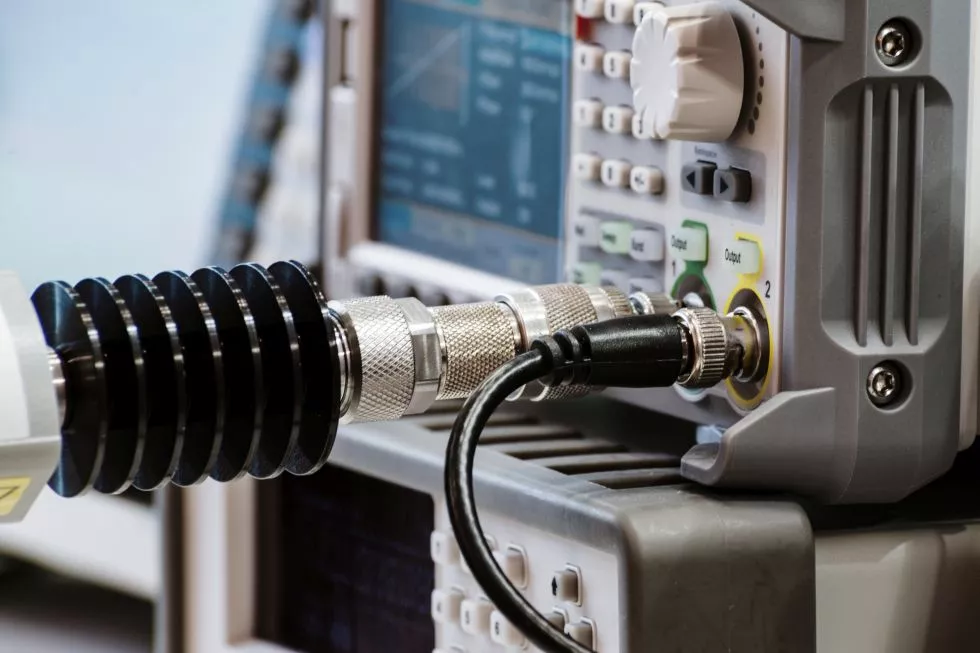
What is remote calibration?
As an alternative to on-site calibration, we also offer the option of online calibration. As a first step, we offer this online calibration for our Windows-based systems such as the MTC2, MTC3 and GLP3.
Calibrating test systems is an essential part of ensuring accurate and reliable measurement results. Traditionally, the calibration process is performed by a technician who is physically present at the test system site. However, with the advent of remote (online) calibration, it is now possible to carry out the calibration process remotely.
What is remote calibration?
Remote calibration is the process of calibrating a test system from a location other than where the system is located. This is made possible through the use of internet and communication technologies, such as video conferencing and special software for remote access to the test system hardware and software. This means that technicians do not need to be physically present at the test system to calibrate it.
How does remote calibration work?
In remote calibration, a technician is remotely connected to the test system via the internet. The technician has access to the software and hardware of the test system and can perform the calibration as if he were physically present at the system. This is made possible through the use of special software and communication technologies that enable a secure connection between the technician and the test system.
Benefits of remote calibration:
Cost savings: Remote calibration saves costs as there is no need to physically send a technician to the test system site. This means there are no costs for travel, accommodation and other expenses associated with having a technician physically present.
Time saving: Remote calibration saves time as there is no need to physically send a technician to the test system location. This means that calibration can be carried out quickly, without delays due to travelling.
Accessibility: Remote calibration makes it possible to calibrate test systems located in hard-to-reach locations, such as offshore platforms or remote areas. This means that test systems that were previously difficult to calibrate are now more easily accessible for calibration.
Flexibility: Remote calibration allows test systems to be calibrated at times most convenient to the customer. This means customers do not have to wait for the availability of a technician to carry out the calibration process.
Accuracy: Remote calibration is as accurate as physical calibration, as the technician has remote access to all software and hardware of the test system and the calibration process in the same way as when we are physically present
Prior to the remote calibration, an explanation of the procedure can be followed on our IONIO training platform so that we can perform this calibration safely and correctly.
We ship the calibrators specific to the tester to the calibration site. We can then carry out the calibration together with an employee via Anydesk.
The working calibration is according to international and national standards.

Related blogs
Calibration
Electric motor testing
Your calibration certificates always at hand: the new IONIO Training Portal is live
View article


Gijsbert at IONIO is here to help you.
At IONIO, we not only supply advanced testing and measurement systems, but also offer clear and expert advice to optimise the testing of your product.
Find out how we can improve your business processes. A consultation can be scheduled in no time!









Also collaborate on technical challenges?
Then you have come to the right place at IONIO!